Every team eventually hits a point where the way it works stops working. Targets slip, meetings run long without decisions, and good people start routing around each other. Team transformation is the deliberate process of changing how a team communicates, decides and collaborates so it can perform at the level the business now needs, not the level it needed two years ago.
This guide sets out how to recognise when a team needs transformation rather than another social event, how to diagnose where it is stuck, and how Rush-A-Way uses learning-based team building and trainer-led workshops to turn new behaviours into habits for teams across Dubai, Abu Dhabi, Sharjah and Saudi Arabia.
Table of Contents
ToggleWhat Team Transformation Actually Means
Team transformation is a structured change in a team’s working behaviours, measured against defined objectives, rather than a one-off boost in morale. A bonding day makes people feel closer for a week. A transformation programme changes what they do on Monday morning: how they brief each other, how they handle disagreement, who takes ownership and how fast decisions are made.
The difference is design. Regular team building prioritises fun and connection. Transformation work starts from a specific capability gap, practises the target behaviour under realistic pressure, and closes with a structured debrief that links the experience to the workplace. That is the core of Rush-A-Way’s learning-based team building methodology.
Five Triggers That Signal a Team Needs Transformation
Most transformation requests Rush-A-Way receives are linked to one of a small number of business events. If your team is living through one of these, a generic activity day will not be enough:
- Restructure or post-merger integration – two cultures, two sets of processes and no shared way of working.
- A new leader or succession – the team has to renegotiate trust, roles and decision rights.
- Cross-functional friction – departments that depend on each other but communicate through escalation.
- A strategy shift – new priorities that require new skills, faster pace or different collaboration patterns.
- Change fatigue – repeated change programmes that have left the team cautious, siloed or disengaged.
These are the same priorities Rush-A-Way designs around for senior groups – strategy alignment, post-merger integration, succession and cross-functional friction – as set out on our team building for leadership teams page.
Diagnose the Stage Before You Design the Programme
Teams move through predictable stages: forming, storming, norming, performing and, when a project ends, adjourning. A team that is newly merged is usually back in forming. A team with visible tension is often stuck in storming. Each stage needs a different intervention, which is why diagnosis comes before activity selection. Our guide to the stages of team development explains each stage in detail.
| Stage | What you see | What the programme should target |
| Forming | Politeness, low trust, unclear roles | Icebreakers, role clarity, shared objectives |
| Storming | Friction, competing priorities, silo behaviour | Communication under pressure, conflict handling, DISC working styles |
| Norming | Agreement on how to work, emerging habits | Planning, delegation, reinforcing what works |
| Performing | Fast decisions, high ownership | Stretch challenges, leadership development, retention of habits |
If your team is stuck in storming, our companion guide on conflict resolution team building covers how to turn that friction into productive collaboration.
Set Behavioural Objectives Before Choosing Activities
The most common reason team interventions fail is that the brief is “team bonding” instead of a named behaviour. Rush-A-Way’s process starts with a briefing call to identify the specific capability gap, and behavioural objectives are written and agreed before the event date is confirmed.
Good transformation objectives are observable. Compare these:
- Weak: “Improve teamwork.”
- Strong: “Function heads share information before deadlines rather than after escalation.”
- Weak: “Better communication.”
- Strong: “Team leads brief tasks with context, not just instructions, and check understanding before execution.”
Most learning-based programmes target two to three complementary skill areas in a half-day or full-day format. Activities are then selected or customised against those objectives, producing an objective-mapped agenda rather than a list of games.
Practise New Behaviours Under Real Pressure
Behaviour changes through practice, not presentation. Experiential challenges put teams under time and task pressure so the habits you want to change surface naturally – then get corrected while everyone can see them. Formats Rush-A-Way uses for transformation work include:
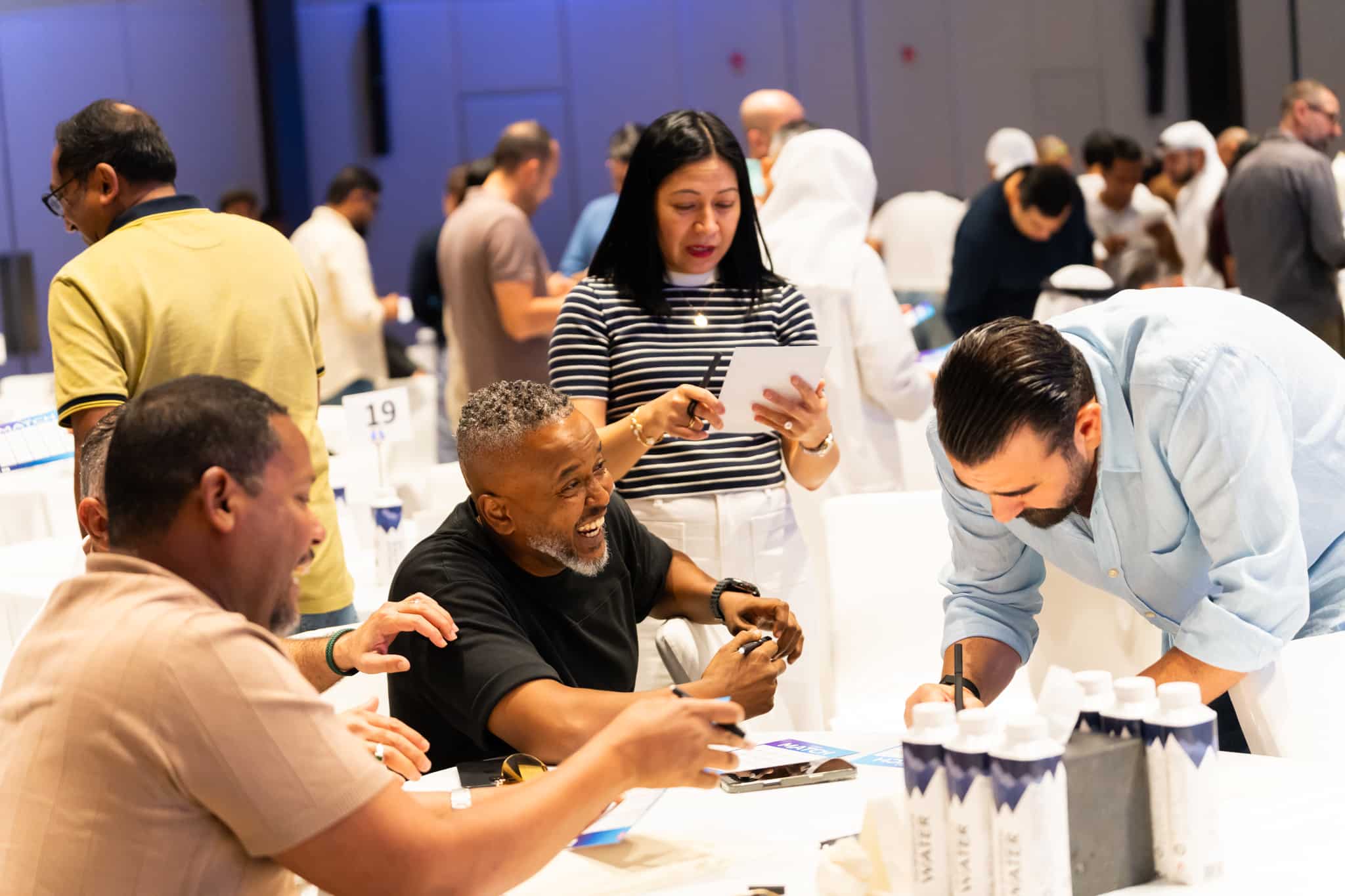
- The Rush-A-Way Challenge – teams are assigned distinct roles and must communicate clearly under time pressure to score. It shows who briefs well and who assumes shared context.
- Escape The Box – teams solve a case from props and clues; progress stalls the moment people stop narrating what they have found.
- Bridge The Gap – two groups build halves of a structure that must meet, reproducing the classic cross-department communication failure.
- Pace Race – an app-tracked relay where every member contributes points, so accountability for each other’s performance becomes visible.
- Desert Survivors – a problem-solving challenge in the desert that forces teams to decode, prioritise and decide under pressure.
These formats run as indoor team building activities in hotels and offices or as outdoor team building activities across the UAE. The Rush-A-Way Challenge app captures behavioural data throughout the session, and that data feeds directly into the debrief.
Pair Frameworks with Practice: Workshops for Transformation
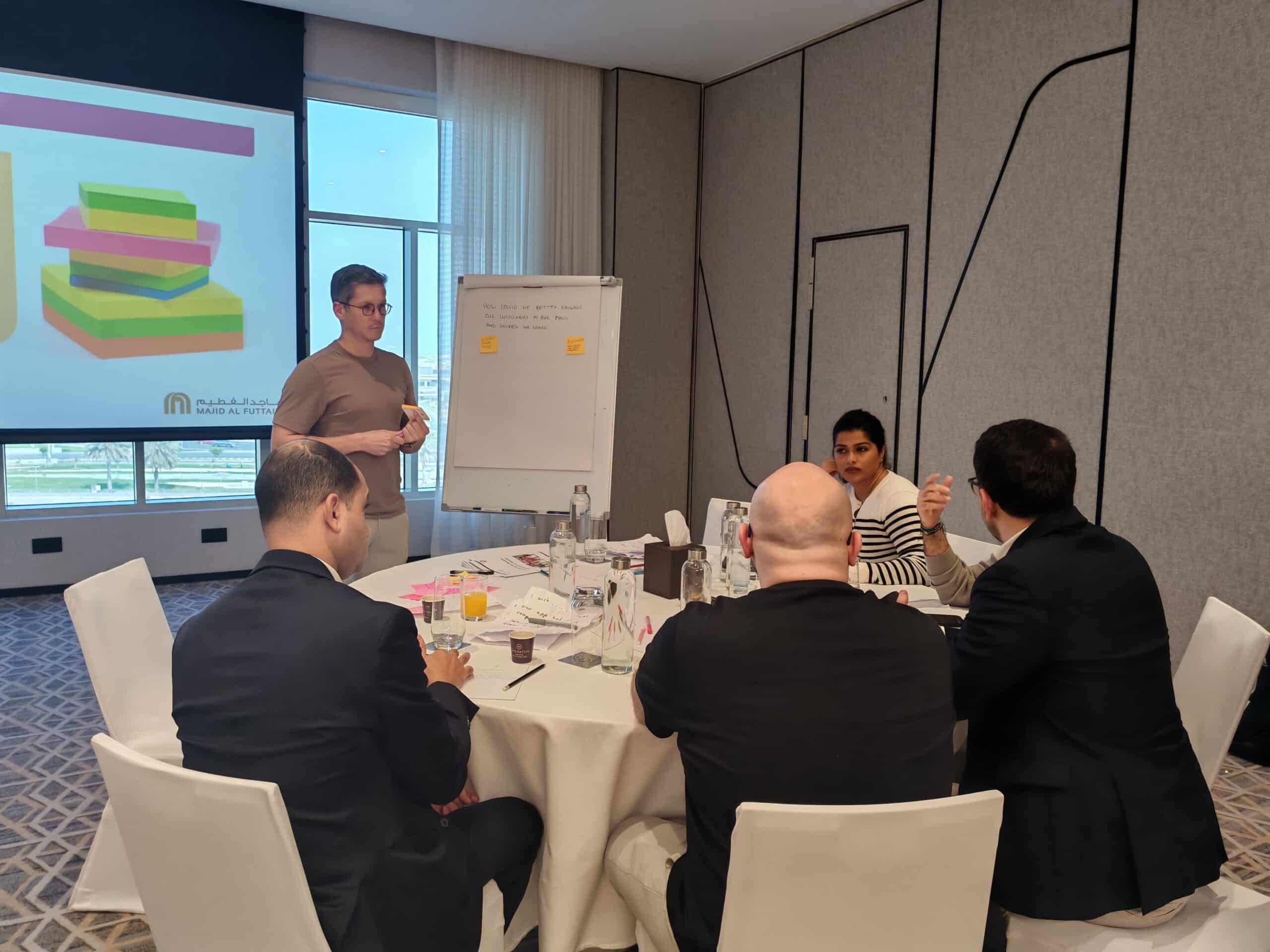
Experience shows a team what is happening. A framework explains why, and gives people language to fix it. Rush-A-Way pairs experiential challenges with trainer-led workshops so the workshop builds the framework and the challenge forces immediate application. The workshops most relevant to team transformation are:
- Navigating Change & Change Management – adaptable mindsets, communication strategies and resilience tools for teams in transition.
- DISC Personality Assessment & Team Dynamics – understanding working styles to resolve conflict and build trust.
- Emotional Intelligence (EQ) in the Workplace – self-awareness, empathy and emotional regulation.
- Effective Communication Skills – active listening and feedback techniques that reduce workplace friction.
Workshops suit groups of 10 to 300, with larger groups split into clusters to keep interaction high. Not sure which combination fits? Our comparison of employee engagement workshops vs experiential team building events breaks down when each works best.
Transformation Starts at the Top
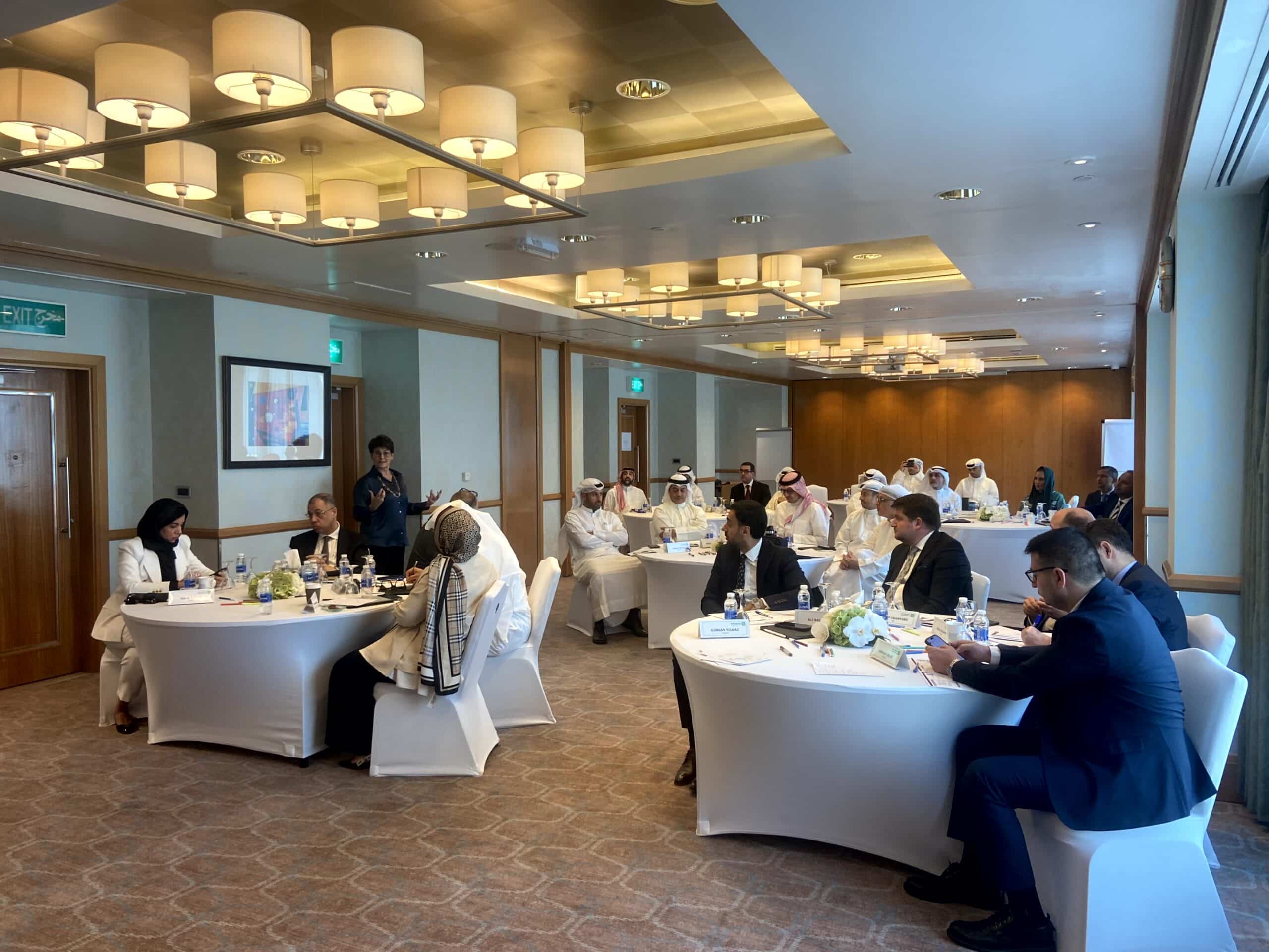
A team rarely changes faster than its leaders. If the leadership group is misaligned, every function below it inherits the friction. For many organisations the first transformation programme should be with the executive committee or senior leadership forum, using workshops for leadership teams paired with a challenge in the same day.
If you are unsure whether your leadership group is the bottleneck, read 7 signs your leadership team needs team building. For managers at every level, Rush-A-Way’s leadership training programmes map formats to emerging leaders, first-line supervisors, mid-level managers and intact leadership teams.
Make the Change Stick: Debrief, Reinforcement and Follow-Up
The debrief is where an activity becomes transformation. A structured, facilitated discussion connects what happened in the challenge to behaviour at work and produces specific take-home actions instead of general reflections. After the session, a post-event summary goes to the People or L&D team so learning continues, and optional follow-up sessions help sustain behavioural change.
For deeper change, a single session can be extended into a multi-day format. Rush-A-Way’s team building retreats include a Learning-Focused Retreat structured around defined capability outcomes, and distributed teams can follow the same journey through virtual team building or hybrid team building delivery.
Frequently Asked Questions
What is team transformation?
Team transformation is a structured change in how a team communicates, decides and collaborates, measured against defined behavioural objectives. Unlike a bonding event, it targets a specific capability gap and uses practice and debriefs to change workplace behaviour.
How is team transformation different from team building?
Regular team building prioritises fun and connection. Team transformation starts from defined skill outcomes, practises them under realistic pressure and closes with a structured debrief that translates the experience into workplace actions.
When does a team need a transformation programme?
Common triggers include a restructure or merger, a new leader, cross-functional friction, a strategy shift that demands new skills, or change fatigue after repeated initiatives.
How long does a team transformation programme take?
Rush-A-Way runs programmes as a half-day, a full day or a multi-day retreat. Most target two to three skill areas per session, with optional follow-up sessions to sustain change.
Which workshops support team transformation?
Navigating Change & Change Management, DISC Personality Assessment, Emotional Intelligence and Effective Communication Skills are the most relevant, usually paired with an experiential challenge on the same day.
Can transformation programmes run for remote or hybrid teams?
Yes. Many learning-based formats run virtually and in hybrid setups, so distributed teams across the UAE, KSA or abroad can take part in the same programme.
Plan Your Next Step
Ready to change how your team works, not just how it feels for a day? Get in touch with Rush-A-Way to design a team transformation programme around your objectives, in Dubai, Abu Dhabi, Sharjah, Saudi Arabia, virtually or hybrid.